- Электронная почта: info@cnlcdisplay.com
- Телефон: 8613728004632





В течение многих лет ЖК-дисплеи были доминирующей технологией в коммерческих приложениях для отображения информации — от рекламных вывесок в магазинах до корпоративных конференц-залов.
Однако это давнее предположение подвергается серьезному сомнению.
Всё больше предприятий сейчас внедряют светодиодные дисплеи с малым шагом пикселей Разработаны на основе технологий COB (Chip-on-Board) и MIP (Micro LED in Package). Этот сдвиг обусловлен не улучшением яркости, а прогрессом в визуальной согласованности, структурном проектировании и долгосрочной эксплуатационной ценности.
Ключевой вывод: Рынок дисплеев смещается от «функциональной адекватности» к «премиальному визуальному восприятию».
Что такое COB и MIP?
COB (Chip-on-Board)
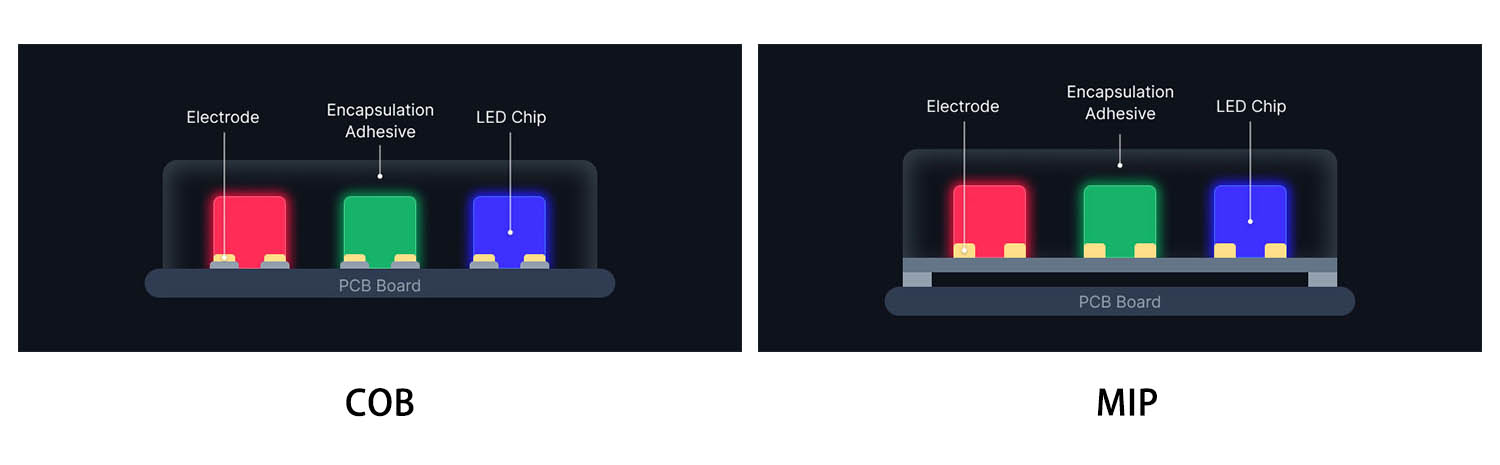
COB — это технология упаковки, при которой светодиодные чипы непосредственно монтируются на печатную плату и инкапсулируются в сплошной поверхностный слой.
Основные характеристики:
COB-светодиоды широко используются в крупноформатных светодиодных инсталляциях высокого класса, таких как диспетчерские и корпоративные экраны.
MIP (Mictory Incorporated Printing) — это метод микроупаковки, при котором сверхмалые светодиодные чипы сначала инкапсулируются в стандартизированные блоки, а затем собираются в светодиодные дисплеи.
Основные характеристики:
Примечание для отрасли: технология MIP часто рассматривается либо как подкатегория, либо как эволюция передовых технологий упаковки светодиодов, а ее ключевое преимущество заключается в масштабируемом производстве с ультратонким шагом выводов.
Почему традиционные светодиоды не смогли заменить ЖК-дисплеи
До того, как технологии COB и MIP достигли зрелости, светодиодные технологии сталкивались с явными ограничениями в условиях помещений и высокоточной обработки данных:
В результате ЖК-дисплеи оставались предпочтительным решением для использования внутри помещений, где требуется наблюдение с близкого расстояния и высокая точность изображения.
От пиксельной сетки к непрерывной визуальной поверхности
Технология COB коренным образом меняет восприятие светодиодных дисплеев.
Вместо видимых пиксельных сеток метод COB создает непрерывную, единую поверхность.
Результат: Светодиоды больше не воспринимаются как отдельные световые точки, а как единое визуальное полотно.

От стрельбы на дальние дистанции до высокоточной стрельбы на ближних дистанциях
Технология MIP позволяет светодиодам достигать сверхмалого шага пикселей, например, P0.9 и P0.7.
Это позволяет:
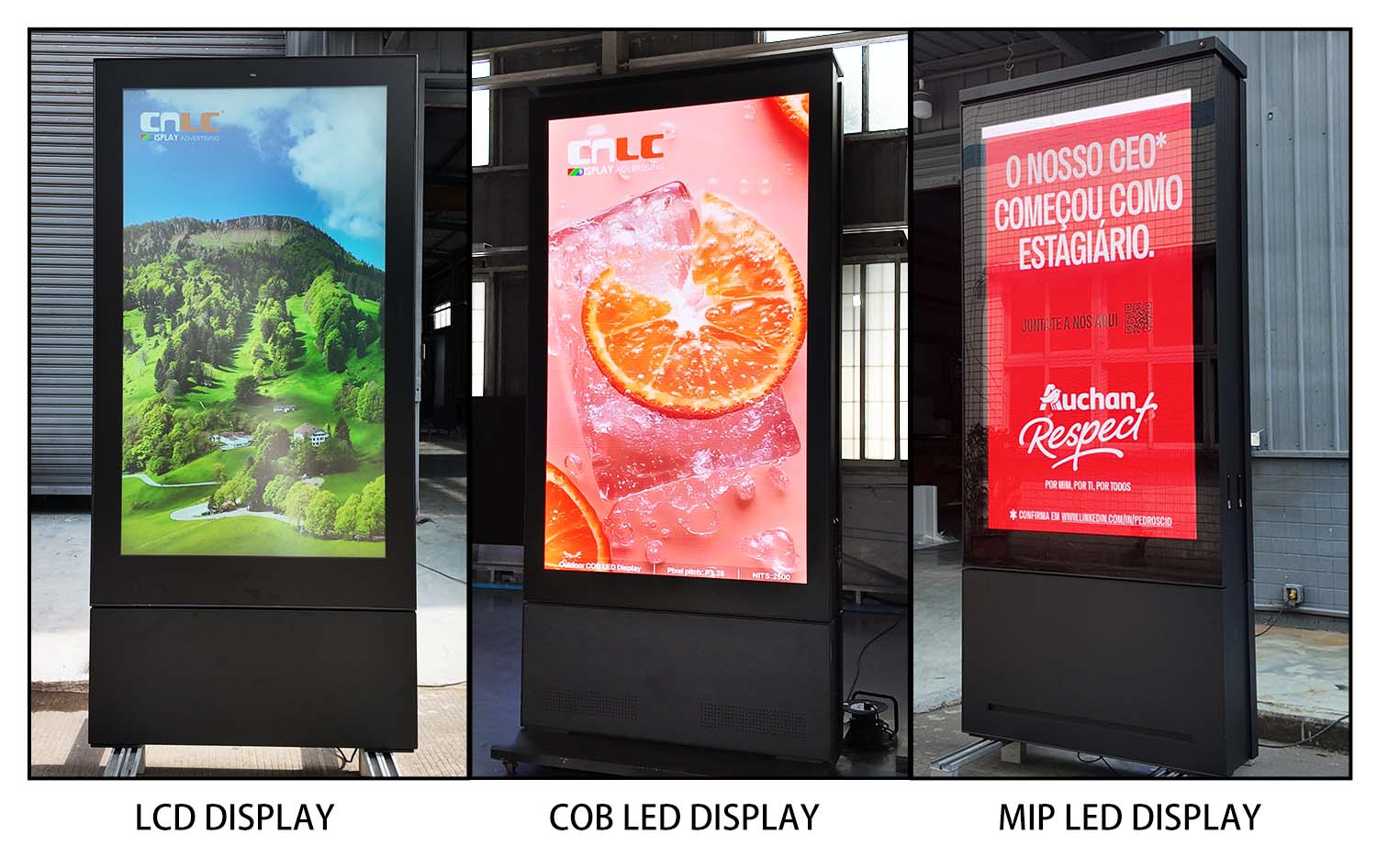
ЖК-дисплей против COB против MIP
| Особенность | ЖК-дисплей | COB-светодиод | MIP LED |
| Бесшовное отображение | No | Да | Да |
| Комфорт при просмотре с близкого расстояния | Хороший | Очень хороший | Отличный |
| Контрастность | Середина | Высокий | Высокий |
| Структурная гибкость | Низкий | Высокий | Высокий |
| Эффективность технического обслуживания | Середина | Высокий | Высокий |
| Продолжительность жизни | ~50 000 часов | ~100 000 часов | ~100 000 часов |
Главный вывод: Технология COB повышает целостность поверхности, а технология MIP расширяет разрешение и область применения.
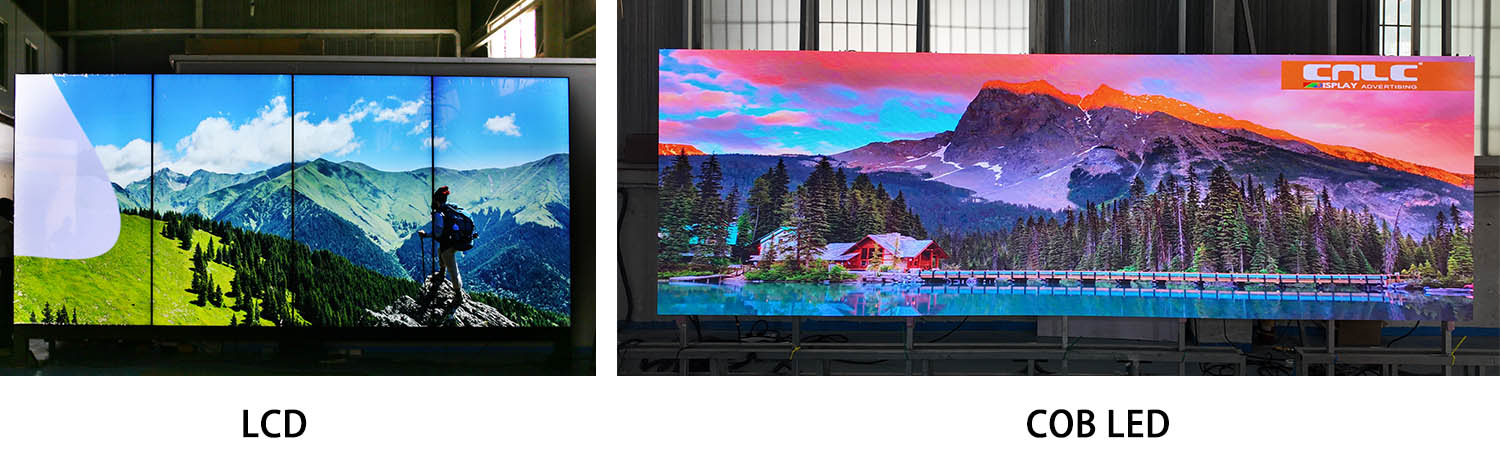
Даже при использовании сверхтонких рамок в ЖК-видеостенах всегда присутствуют физические швы.
Светодиодные дисплеи полностью устраняют это ограничение.
В премиальных условиях безупречное качество изображения стало нормой.
Возможности ЖК-дисплеев ограничены фиксированными размерами панелей (55”, 65”, 86”).
Светодиоды можно модифицировать следующим образом:
Это превращает дисплеи из аппаратного обеспечения в элементы пространственного дизайна.
Принятие решений все чаще основывается на общей стоимости владения (TCO), а не на первоначальных затратах.
Основные сравнения:
Светодиодное освещение обеспечивает более высокую долгосрочную эксплуатационную ценность в условиях интенсивной эксплуатации.
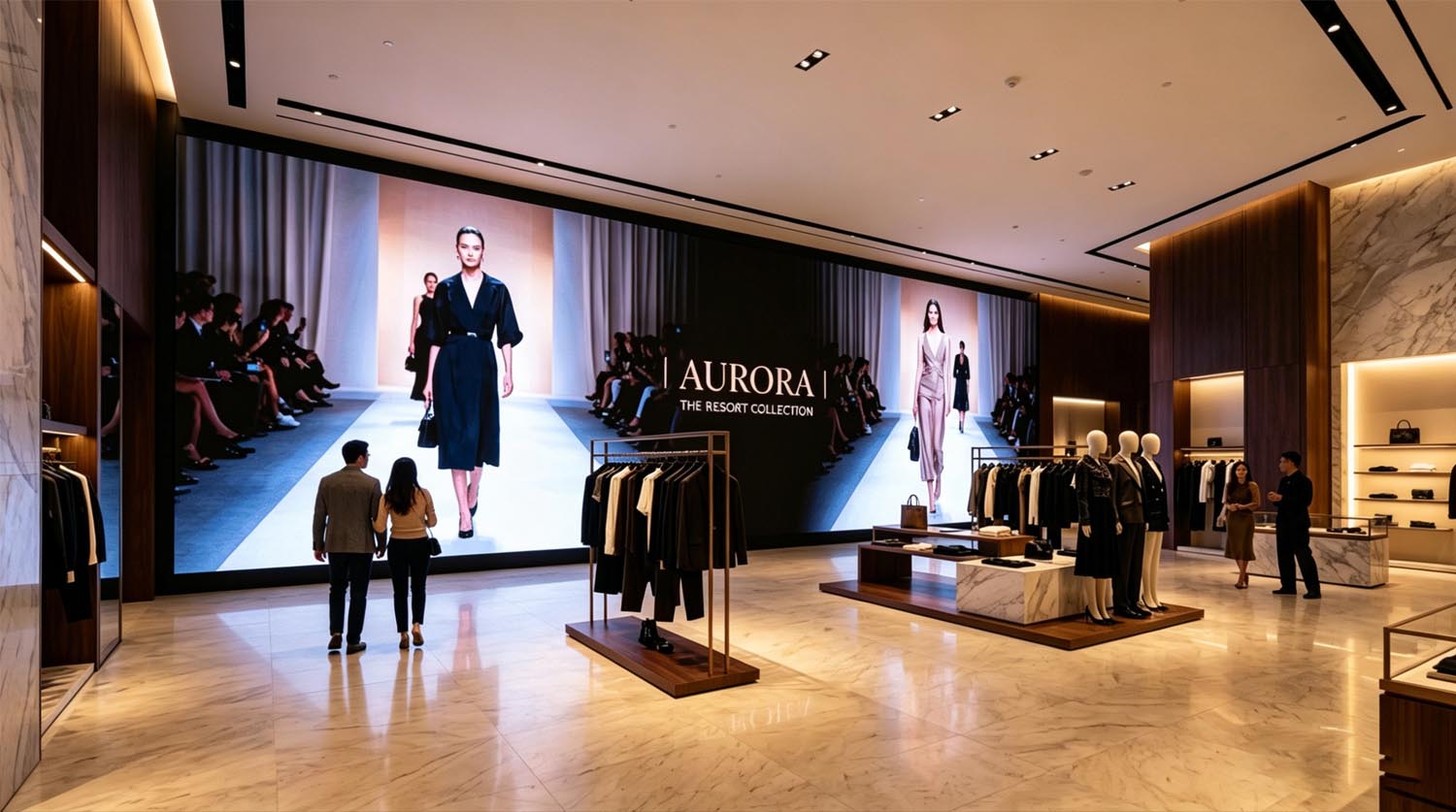
Один люксовый модный бренд установил в своем флагманском магазине 12-метровую светодиодную стену из COB-светодиодов вместо нескольких ЖК-панелей.
Результаты:
Это демонстрирует преимущество светодиодов COB в элитных торговых помещениях.
Основные принципы: стабильность, однородность, непрерывность на больших площадях.
Основные преимущества: высокая плотность разрешения, комфорт при просмотре с близкого расстояния.
Сможет ли LED полностью заменить LCD?
Нет.
ЖК-дисплеи по-прежнему сохраняют свои преимущества в:
Однако в премиальных, крупномасштабных и дизайнерских проектах светодиоды с малым шагом пикселя быстро становятся доминирующим решением.
Заключение
Переход от ЖК-дисплеев к светодиодам — это не просто технологическое обновление, а структурный сдвиг в архитектуре дисплея и логике приложений.
Технологии COB и MIP позволили светодиодным дисплеям преодолеть традиционные ограничения и выйти на рынки, ранее доминировавшие ЖК-дисплеями.
Для бизнеса ключевой вопрос уже не в том, «ЖК-дисплей или светодиод?».
Это: Какая светодиодная технология — COB или MIP — лучше всего подходит для данного сценария применения?
Часто задаваемые вопросы
В1: В чем основное различие между COB-светодиодами и традиционными светодиодами?
Технология COB позволяет интегрировать светодиодные чипы непосредственно на плату, создавая более гладкую поверхность и обеспечивая лучшую долговечность по сравнению с традиционными SMD-светодиодными корпусами.
MIP — это технология микроупаковки, позволяющая создавать сверхмалые шаги пикселей (например, P0.7 и P0.9), что делает светодиоды подходящими для применения в системах с высоким разрешением и малым расстоянием до объекта.
Технология COB лучше подходит для больших бесшовных дисплеев, таких как диспетчерские, корпоративные демонстрационные залы и видеостены, где однородность и стабильность имеют ключевое значение.
Технология MIP идеально подходит для небольших и средних помещений, таких как конференц-залы, торговые прилавки и приложения, требующие сверхвысокого разрешения при просмотре с близкого расстояния.
Нет. ЖК-дисплеи по-прежнему будут использоваться в экономичных и малогабаритных приложениях, но светодиоды с малым шагом пикселя все чаще заменяют ЖК-дисплеи в высококачественных и крупноформатных инсталляциях.
Потому что светодиоды обеспечивают безупречный дизайн, более длительный срок службы, лучшую масштабируемость и улучшенную визуальную согласованность, особенно в случае технологий COB и MIP.

 Тел. : 8613728004632Тел. : 8602082332833
 Электронная почта : info@cnlcdisplay.com
 ОСТАВАЙСЯ НА СВЯЗИ Получайте наши новости, предложения и многое другое...